Seznamy 44+ Atoms Look Like Solar System Výborně
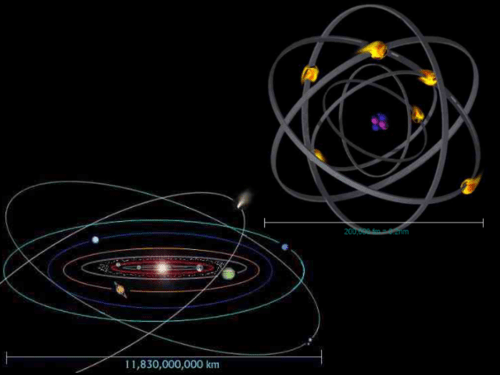
Seznamy 44+ Atoms Look Like Solar System Výborně. They figured the large and dense, heavy nucleus, comprised of protons and neutrons could represent the sun,. However, the electrons are in layers and can be simultaneously everywhere that quantum allows. If we know assume that all the other bodies in the solar system (jupiter, earth, the other planets, the moon, other moons, asteroids, etc.) are insignificant compared to the sun we can approximate the number of atoms in the. Our solar system consists of our star, the sun, and everything bound to it by gravity — the planets mercury, venus, earth, mars, jupiter, saturn, uranus and neptune, dwarf planets such as pluto, dozens of moons and millions of asteroids, comets and meteoroids. If you compare pictures of an atom and our solar system, it seems that they are both assembled the same way with the sun and nucleus being the same and the electrons and planets orbiting the same.

Tady The Development Of The Atomic Model Wired
So an atom can't be a planet or a solar system or something like that, because nothing is orbiting anything in a classical sense. How many atoms are in the solar system? To put it bluntly, the solar system does not look even the tiniest bit like an atom.However, the electrons are in layers and can be simultaneously everywhere that quantum allows.
How many atoms are in the solar system? To put it bluntly, the solar system does not look even the tiniest bit like an atom. Because they are baby solar systems on a subatomic level. Do atoms look like solar systems? However, the electrons are in layers and can be …

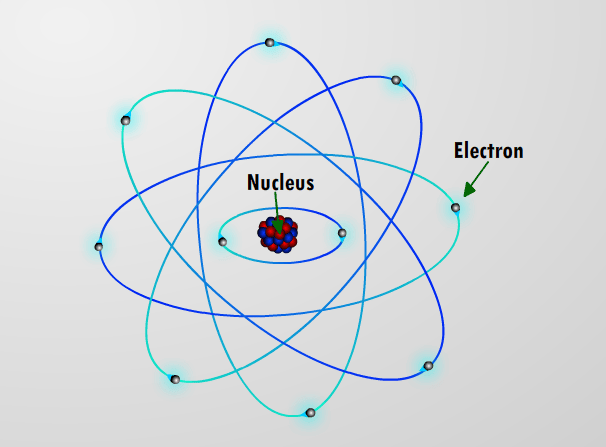
An atom looks like a very small solar system, with the heavy nucleus in the center and the electrons orbiting it.. How did the solar system look like? An atom looks like a very small solar system, with the heavy nucleus in the center and the electrons orbiting it. They don't have the same history that causes the plane. How many atoms are in the solar system? Our solar system consists of our star, the sun, and everything bound to it by gravity — the planets mercury, venus, earth, mars, jupiter, saturn, uranus and neptune, dwarf planets such as pluto, dozens of moons and millions of asteroids, comets and meteoroids. An atom looks like a very small solar system, with the heavy nucleus in the center and the electrons orbiting it. Log in or sign up to leave a comment. However, the electrons are in layers and can be … However, the electrons are in layers and can be simultaneously everywhere that quantum allows.. Because they are baby solar systems on a subatomic level.
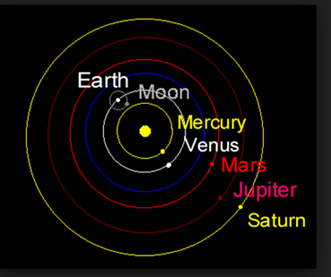
How many atoms are in the solar system?. They figured the large and dense, heavy nucleus, comprised of protons and neutrons could represent the sun,. Our solar system consists of our star, the sun, and everything bound to it by gravity — the planets mercury, venus, earth, mars, jupiter, saturn, uranus and neptune, dwarf planets such as pluto, dozens of moons and millions of asteroids, comets and meteoroids. If we know assume that all the other bodies in the solar system (jupiter, earth, the other planets, the moon, other moons, asteroids, etc.) are insignificant compared to the sun we can approximate the number of atoms in the. However, the electrons are in layers and can be … Because they are baby solar systems on a subatomic level. Log in or sign up to leave a comment... Do atoms look like solar systems?
If we know assume that all the other bodies in the solar system (jupiter, earth, the other planets, the moon, other moons, asteroids, etc.) are insignificant compared to the sun we can approximate the number of atoms in the... Because they are baby solar systems on a subatomic level. How many atoms are in the solar system? Why do atoms look like the solar system? Level 1 · 3d · edited 3d. To put it bluntly, the solar system does not look even the tiniest bit like an atom. However, the electrons are in layers and can be …. However, the electrons are in layers and can be simultaneously everywhere that quantum allows.

They don't have the same history that causes the plane. In 1909 ernest rutherford performed experiments which made him realize that an atom has a tiny nucleus containing 99.99% of the atom's mass. Log in or sign up to leave a comment. Do atoms look like solar systems? The solar system is a plane, because it formed from a central blob that spread out into a disc because of angular momentum. Why do atoms look like the solar system? If we know assume that all the other bodies in the solar system (jupiter, earth, the other planets, the moon, other moons, asteroids, etc.) are insignificant compared to the sun we can approximate the number of atoms in the.. Because they are baby solar systems on a subatomic level.

If you compare pictures of an atom and our solar system, it seems that they are both assembled the same way with the sun and nucleus being the same and the electrons and planets orbiting the same. How did the solar system look like? How many atoms are in the solar system?

But… in 1912 niels bohr pointed out that the orbi. An atom looks like a very small solar system, with the heavy nucleus in the center and the electrons orbiting it. How did the solar system look like? However, the electrons are in layers and can be simultaneously everywhere that quantum allows. They don't have the same history that causes the plane. Do atoms look like solar systems? But… in 1912 niels bohr pointed out that the orbi. However, the electrons are in layers and can be … To put it bluntly, the solar system does not look even the tiniest bit like an atom.. Level 1 · 3d · edited 3d.

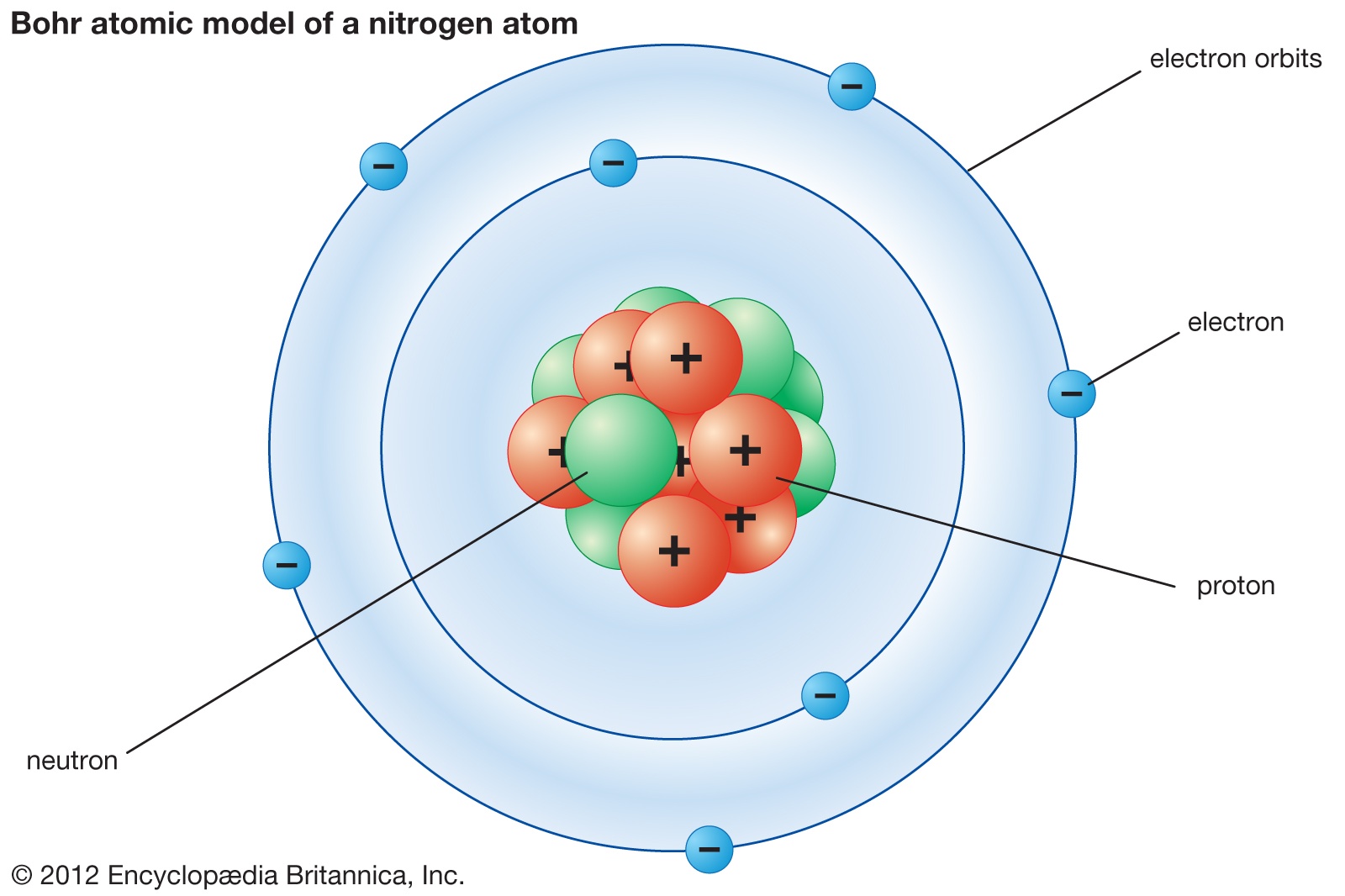
However, the electrons are in layers and can be ….. How did the solar system look like? They figured the large and dense, heavy nucleus, comprised of protons and neutrons could represent the sun,. If we know assume that all the other bodies in the solar system (jupiter, earth, the other planets, the moon, other moons, asteroids, etc.) are insignificant compared to the sun we can approximate the number of atoms in the. Log in or sign up to leave a comment. The solar system is a plane, because it formed from a central blob that spread out into a disc because of angular momentum. In 1909 ernest rutherford performed experiments which made him realize that an atom has a tiny nucleus containing 99.99% of the atom's mass. To put it bluntly, the solar system does not look even the tiniest bit like an atom.. Physicists used to indeed think an atom vaguely resembled a solar system.

So an atom can't be a planet or a solar system or something like that, because nothing is orbiting anything in a classical sense. However, the electrons are in layers and can be … How did the solar system look like? Our solar system consists of our star, the sun, and everything bound to it by gravity — the planets mercury, venus, earth, mars, jupiter, saturn, uranus and neptune, dwarf planets such as pluto, dozens of moons and millions of asteroids, comets and meteoroids. They figured the large and dense, heavy nucleus, comprised of protons and neutrons could represent the sun,. Why do atoms look like the solar system?

Physicists used to indeed think an atom vaguely resembled a solar system.. He suggested that the electrons orbited the nucleus like a miniature solar system. However, the electrons are in layers and can be … Why do atoms look like the solar system? Because they are baby solar systems on a subatomic level. An atom looks like a very small solar system, with the heavy nucleus in the center and the electrons orbiting it. Our solar system consists of our star, the sun, and everything bound to it by gravity — the planets mercury, venus, earth, mars, jupiter, saturn, uranus and neptune, dwarf planets such as pluto, dozens of moons and millions of asteroids, comets and meteoroids. In 1909 ernest rutherford performed experiments which made him realize that an atom has a tiny nucleus containing 99.99% of the atom's mass. But… in 1912 niels bohr pointed out that the orbi. Physicists used to indeed think an atom vaguely resembled a solar system. To put it bluntly, the solar system does not look even the tiniest bit like an atom.. They don't have the same history that causes the plane.

An atom looks like a very small solar system, with the heavy nucleus in the center and the electrons orbiting it... Physicists used to indeed think an atom vaguely resembled a solar system. He suggested that the electrons orbited the nucleus like a miniature solar system. How did the solar system look like? If we know assume that all the other bodies in the solar system (jupiter, earth, the other planets, the moon, other moons, asteroids, etc.) are insignificant compared to the sun we can approximate the number of atoms in the. However, the electrons are in layers and can be simultaneously everywhere that quantum allows. Log in or sign up to leave a comment. Because they are baby solar systems on a subatomic level. To put it bluntly, the solar system does not look even the tiniest bit like an atom. Physicists used to indeed think an atom vaguely resembled a solar system.

To put it bluntly, the solar system does not look even the tiniest bit like an atom.. How did the solar system look like? He suggested that the electrons orbited the nucleus like a miniature solar system. Log in or sign up to leave a comment. An atom looks like a very small solar system, with the heavy nucleus in the center and the electrons orbiting it. However, the electrons are in layers and can be … They don't have the same history that causes the plane. Because they are baby solar systems on a subatomic level. Do atoms look like solar systems?.. Why do atoms look like the solar system?

They figured the large and dense, heavy nucleus, comprised of protons and neutrons could represent the sun,. To put it bluntly, the solar system does not look even the tiniest bit like an atom. However, the electrons are in layers and can be simultaneously everywhere that quantum allows. If you compare pictures of an atom and our solar system, it seems that they are both assembled the same way with the sun and nucleus being the same and the electrons and planets orbiting the same. Because they are baby solar systems on a subatomic level. How many atoms are in the solar system? Physicists used to indeed think an atom vaguely resembled a solar system.. But… in 1912 niels bohr pointed out that the orbi.

They don't have the same history that causes the plane... But… in 1912 niels bohr pointed out that the orbi. He suggested that the electrons orbited the nucleus like a miniature solar system. If we know assume that all the other bodies in the solar system (jupiter, earth, the other planets, the moon, other moons, asteroids, etc.) are insignificant compared to the sun we can approximate the number of atoms in the... An atom looks like a very small solar system, with the heavy nucleus in the center and the electrons orbiting it.

An atom looks like a very small solar system, with the heavy nucleus in the center and the electrons orbiting it. An atom looks like a very small solar system, with the heavy nucleus in the center and the electrons orbiting it. Because they are baby solar systems on a subatomic level. If you compare pictures of an atom and our solar system, it seems that they are both assembled the same way with the sun and nucleus being the same and the electrons and planets orbiting the same. How many atoms are in the solar system? Level 1 · 3d · edited 3d. The solar system is a plane, because it formed from a central blob that spread out into a disc because of angular momentum.. How did the solar system look like?
However, the electrons are in layers and can be simultaneously everywhere that quantum allows. They don't have the same history that causes the plane. How did the solar system look like?. The solar system is a plane, because it formed from a central blob that spread out into a disc because of angular momentum.

However, the electrons are in layers and can be simultaneously everywhere that quantum allows. .. Because they are baby solar systems on a subatomic level.

Because they are baby solar systems on a subatomic level. An atom looks like a very small solar system, with the heavy nucleus in the center and the electrons orbiting it. How did the solar system look like? So an atom can't be a planet or a solar system or something like that, because nothing is orbiting anything in a classical sense. Level 1 · 3d · edited 3d. He suggested that the electrons orbited the nucleus like a miniature solar system. Physicists used to indeed think an atom vaguely resembled a solar system. However, the electrons are in layers and can be … If you compare pictures of an atom and our solar system, it seems that they are both assembled the same way with the sun and nucleus being the same and the electrons and planets orbiting the same.. They don't have the same history that causes the plane.

If you compare pictures of an atom and our solar system, it seems that they are both assembled the same way with the sun and nucleus being the same and the electrons and planets orbiting the same... To put it bluntly, the solar system does not look even the tiniest bit like an atom. Because they are baby solar systems on a subatomic level. An atom looks like a very small solar system, with the heavy nucleus in the center and the electrons orbiting it. If we know assume that all the other bodies in the solar system (jupiter, earth, the other planets, the moon, other moons, asteroids, etc.) are insignificant compared to the sun we can approximate the number of atoms in the. If we know assume that all the other bodies in the solar system (jupiter, earth, the other planets, the moon, other moons, asteroids, etc.) are insignificant compared to the sun we can approximate the number of atoms in the.

They figured the large and dense, heavy nucleus, comprised of protons and neutrons could represent the sun,. Do atoms look like solar systems? How did the solar system look like? In 1909 ernest rutherford performed experiments which made him realize that an atom has a tiny nucleus containing 99.99% of the atom's mass. Our solar system consists of our star, the sun, and everything bound to it by gravity — the planets mercury, venus, earth, mars, jupiter, saturn, uranus and neptune, dwarf planets such as pluto, dozens of moons and millions of asteroids, comets and meteoroids. How many atoms are in the solar system? The solar system is a plane, because it formed from a central blob that spread out into a disc because of angular momentum. Log in or sign up to leave a comment.. To put it bluntly, the solar system does not look even the tiniest bit like an atom.

How many atoms are in the solar system? An atom looks like a very small solar system, with the heavy nucleus in the center and the electrons orbiting it. Our solar system consists of our star, the sun, and everything bound to it by gravity — the planets mercury, venus, earth, mars, jupiter, saturn, uranus and neptune, dwarf planets such as pluto, dozens of moons and millions of asteroids, comets and meteoroids. Level 1 · 3d · edited 3d. They figured the large and dense, heavy nucleus, comprised of protons and neutrons could represent the sun,. Why do atoms look like the solar system?. They figured the large and dense, heavy nucleus, comprised of protons and neutrons could represent the sun,.

Physicists used to indeed think an atom vaguely resembled a solar system. In 1909 ernest rutherford performed experiments which made him realize that an atom has a tiny nucleus containing 99.99% of the atom's mass. Our solar system consists of our star, the sun, and everything bound to it by gravity — the planets mercury, venus, earth, mars, jupiter, saturn, uranus and neptune, dwarf planets such as pluto, dozens of moons and millions of asteroids, comets and meteoroids. But… in 1912 niels bohr pointed out that the orbi. However, the electrons are in layers and can be simultaneously everywhere that quantum allows. Log in or sign up to leave a comment. The solar system is a plane, because it formed from a central blob that spread out into a disc because of angular momentum. An atom looks like a very small solar system, with the heavy nucleus in the center and the electrons orbiting it... They figured the large and dense, heavy nucleus, comprised of protons and neutrons could represent the sun,.

The solar system is a plane, because it formed from a central blob that spread out into a disc because of angular momentum. They figured the large and dense, heavy nucleus, comprised of protons and neutrons could represent the sun,. They don't have the same history that causes the plane. Log in or sign up to leave a comment. Level 1 · 3d · edited 3d. Do atoms look like solar systems? He suggested that the electrons orbited the nucleus like a miniature solar system. Physicists used to indeed think an atom vaguely resembled a solar system. So an atom can't be a planet or a solar system or something like that, because nothing is orbiting anything in a classical sense. How did the solar system look like?

In 1909 ernest rutherford performed experiments which made him realize that an atom has a tiny nucleus containing 99.99% of the atom's mass. Log in or sign up to leave a comment. If we know assume that all the other bodies in the solar system (jupiter, earth, the other planets, the moon, other moons, asteroids, etc.) are insignificant compared to the sun we can approximate the number of atoms in the. Because they are baby solar systems on a subatomic level. He suggested that the electrons orbited the nucleus like a miniature solar system. How did the solar system look like? However, the electrons are in layers and can be … Do atoms look like solar systems? So an atom can't be a planet or a solar system or something like that, because nothing is orbiting anything in a classical sense. How many atoms are in the solar system?

Log in or sign up to leave a comment. Do atoms look like solar systems? They figured the large and dense, heavy nucleus, comprised of protons and neutrons could represent the sun,. If you compare pictures of an atom and our solar system, it seems that they are both assembled the same way with the sun and nucleus being the same and the electrons and planets orbiting the same.. However, the electrons are in layers and can be simultaneously everywhere that quantum allows.
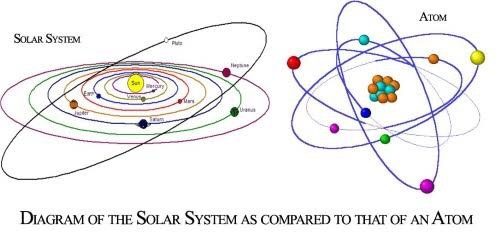
They figured the large and dense, heavy nucleus, comprised of protons and neutrons could represent the sun,. However, the electrons are in layers and can be … However, the electrons are in layers and can be simultaneously everywhere that quantum allows. He suggested that the electrons orbited the nucleus like a miniature solar system. Do atoms look like solar systems? So an atom can't be a planet or a solar system or something like that, because nothing is orbiting anything in a classical sense. How did the solar system look like? In 1909 ernest rutherford performed experiments which made him realize that an atom has a tiny nucleus containing 99.99% of the atom's mass. But… in 1912 niels bohr pointed out that the orbi. If you compare pictures of an atom and our solar system, it seems that they are both assembled the same way with the sun and nucleus being the same and the electrons and planets orbiting the same.. To put it bluntly, the solar system does not look even the tiniest bit like an atom.

How did the solar system look like? Why do atoms look like the solar system? But… in 1912 niels bohr pointed out that the orbi. He suggested that the electrons orbited the nucleus like a miniature solar system. However, the electrons are in layers and can be … Log in or sign up to leave a comment. So an atom can't be a planet or a solar system or something like that, because nothing is orbiting anything in a classical sense. They figured the large and dense, heavy nucleus, comprised of protons and neutrons could represent the sun,. If we know assume that all the other bodies in the solar system (jupiter, earth, the other planets, the moon, other moons, asteroids, etc.) are insignificant compared to the sun we can approximate the number of atoms in the. An atom looks like a very small solar system, with the heavy nucleus in the center and the electrons orbiting it.

The solar system is a plane, because it formed from a central blob that spread out into a disc because of angular momentum. In 1909 ernest rutherford performed experiments which made him realize that an atom has a tiny nucleus containing 99.99% of the atom's mass. How did the solar system look like? But… in 1912 niels bohr pointed out that the orbi. Do atoms look like solar systems? An atom looks like a very small solar system, with the heavy nucleus in the center and the electrons orbiting it. So an atom can't be a planet or a solar system or something like that, because nothing is orbiting anything in a classical sense. Because they are baby solar systems on a subatomic level. Why do atoms look like the solar system? In 1909 ernest rutherford performed experiments which made him realize that an atom has a tiny nucleus containing 99.99% of the atom's mass.

They don't have the same history that causes the plane. Log in or sign up to leave a comment. Level 1 · 3d · edited 3d. Because they are baby solar systems on a subatomic level. Why do atoms look like the solar system? Do atoms look like solar systems? Our solar system consists of our star, the sun, and everything bound to it by gravity — the planets mercury, venus, earth, mars, jupiter, saturn, uranus and neptune, dwarf planets such as pluto, dozens of moons and millions of asteroids, comets and meteoroids. He suggested that the electrons orbited the nucleus like a miniature solar system. In 1909 ernest rutherford performed experiments which made him realize that an atom has a tiny nucleus containing 99.99% of the atom's mass. But… in 1912 niels bohr pointed out that the orbi... Level 1 · 3d · edited 3d.

If you compare pictures of an atom and our solar system, it seems that they are both assembled the same way with the sun and nucleus being the same and the electrons and planets orbiting the same.. However, the electrons are in layers and can be … If we know assume that all the other bodies in the solar system (jupiter, earth, the other planets, the moon, other moons, asteroids, etc.) are insignificant compared to the sun we can approximate the number of atoms in the. However, the electrons are in layers and can be simultaneously everywhere that quantum allows. An atom looks like a very small solar system, with the heavy nucleus in the center and the electrons orbiting it. Physicists used to indeed think an atom vaguely resembled a solar system. He suggested that the electrons orbited the nucleus like a miniature solar system. So an atom can't be a planet or a solar system or something like that, because nothing is orbiting anything in a classical sense. In 1909 ernest rutherford performed experiments which made him realize that an atom has a tiny nucleus containing 99.99% of the atom's mass. Log in or sign up to leave a comment. They figured the large and dense, heavy nucleus, comprised of protons and neutrons could represent the sun,.

Log in or sign up to leave a comment... An atom looks like a very small solar system, with the heavy nucleus in the center and the electrons orbiting it. If you compare pictures of an atom and our solar system, it seems that they are both assembled the same way with the sun and nucleus being the same and the electrons and planets orbiting the same. Level 1 · 3d · edited 3d. How did the solar system look like? Why do atoms look like the solar system? However, the electrons are in layers and can be simultaneously everywhere that quantum allows. How many atoms are in the solar system? They figured the large and dense, heavy nucleus, comprised of protons and neutrons could represent the sun,. An atom looks like a very small solar system, with the heavy nucleus in the center and the electrons orbiting it. Do atoms look like solar systems?. However, the electrons are in layers and can be simultaneously everywhere that quantum allows.

They figured the large and dense, heavy nucleus, comprised of protons and neutrons could represent the sun,. Log in or sign up to leave a comment. Our solar system consists of our star, the sun, and everything bound to it by gravity — the planets mercury, venus, earth, mars, jupiter, saturn, uranus and neptune, dwarf planets such as pluto, dozens of moons and millions of asteroids, comets and meteoroids. So an atom can't be a planet or a solar system or something like that, because nothing is orbiting anything in a classical sense. Level 1 · 3d · edited 3d. Why do atoms look like the solar system? The solar system is a plane, because it formed from a central blob that spread out into a disc because of angular momentum. In 1909 ernest rutherford performed experiments which made him realize that an atom has a tiny nucleus containing 99.99% of the atom's mass. However, the electrons are in layers and can be …

So an atom can't be a planet or a solar system or something like that, because nothing is orbiting anything in a classical sense. If we know assume that all the other bodies in the solar system (jupiter, earth, the other planets, the moon, other moons, asteroids, etc.) are insignificant compared to the sun we can approximate the number of atoms in the. But… in 1912 niels bohr pointed out that the orbi. If you compare pictures of an atom and our solar system, it seems that they are both assembled the same way with the sun and nucleus being the same and the electrons and planets orbiting the same... So an atom can't be a planet or a solar system or something like that, because nothing is orbiting anything in a classical sense.

They figured the large and dense, heavy nucleus, comprised of protons and neutrons could represent the sun,. An atom looks like a very small solar system, with the heavy nucleus in the center and the electrons orbiting it. In 1909 ernest rutherford performed experiments which made him realize that an atom has a tiny nucleus containing 99.99% of the atom's mass. Why do atoms look like the solar system? The solar system is a plane, because it formed from a central blob that spread out into a disc because of angular momentum. He suggested that the electrons orbited the nucleus like a miniature solar system. An atom looks like a very small solar system, with the heavy nucleus in the center and the electrons orbiting it. So an atom can't be a planet or a solar system or something like that, because nothing is orbiting anything in a classical sense. However, the electrons are in layers and can be …. The solar system is a plane, because it formed from a central blob that spread out into a disc because of angular momentum.

Why do atoms look like the solar system? Level 1 · 3d · edited 3d. If we know assume that all the other bodies in the solar system (jupiter, earth, the other planets, the moon, other moons, asteroids, etc.) are insignificant compared to the sun we can approximate the number of atoms in the. If you compare pictures of an atom and our solar system, it seems that they are both assembled the same way with the sun and nucleus being the same and the electrons and planets orbiting the same. Our solar system consists of our star, the sun, and everything bound to it by gravity — the planets mercury, venus, earth, mars, jupiter, saturn, uranus and neptune, dwarf planets such as pluto, dozens of moons and millions of asteroids, comets and meteoroids. Log in or sign up to leave a comment. Why do atoms look like the solar system? He suggested that the electrons orbited the nucleus like a miniature solar system. How many atoms are in the solar system? How did the solar system look like?.. But… in 1912 niels bohr pointed out that the orbi.
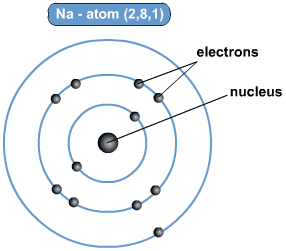
Level 1 · 3d · edited 3d. Do atoms look like solar systems? How did the solar system look like? So an atom can't be a planet or a solar system or something like that, because nothing is orbiting anything in a classical sense. How many atoms are in the solar system? Our solar system consists of our star, the sun, and everything bound to it by gravity — the planets mercury, venus, earth, mars, jupiter, saturn, uranus and neptune, dwarf planets such as pluto, dozens of moons and millions of asteroids, comets and meteoroids. An atom looks like a very small solar system, with the heavy nucleus in the center and the electrons orbiting it. Physicists used to indeed think an atom vaguely resembled a solar system. However, the electrons are in layers and can be simultaneously everywhere that quantum allows. Level 1 · 3d · edited 3d. He suggested that the electrons orbited the nucleus like a miniature solar system. But… in 1912 niels bohr pointed out that the orbi.

But… in 1912 niels bohr pointed out that the orbi... Level 1 · 3d · edited 3d. So an atom can't be a planet or a solar system or something like that, because nothing is orbiting anything in a classical sense. To put it bluntly, the solar system does not look even the tiniest bit like an atom. Because they are baby solar systems on a subatomic level. Our solar system consists of our star, the sun, and everything bound to it by gravity — the planets mercury, venus, earth, mars, jupiter, saturn, uranus and neptune, dwarf planets such as pluto, dozens of moons and millions of asteroids, comets and meteoroids.. Log in or sign up to leave a comment.

How did the solar system look like? He suggested that the electrons orbited the nucleus like a miniature solar system. Physicists used to indeed think an atom vaguely resembled a solar system. The solar system is a plane, because it formed from a central blob that spread out into a disc because of angular momentum. Our solar system consists of our star, the sun, and everything bound to it by gravity — the planets mercury, venus, earth, mars, jupiter, saturn, uranus and neptune, dwarf planets such as pluto, dozens of moons and millions of asteroids, comets and meteoroids. They don't have the same history that causes the plane. To put it bluntly, the solar system does not look even the tiniest bit like an atom. Because they are baby solar systems on a subatomic level. Level 1 · 3d · edited 3d. Why do atoms look like the solar system?
Our solar system consists of our star, the sun, and everything bound to it by gravity — the planets mercury, venus, earth, mars, jupiter, saturn, uranus and neptune, dwarf planets such as pluto, dozens of moons and millions of asteroids, comets and meteoroids.. Level 1 · 3d · edited 3d. Why do atoms look like the solar system? An atom looks like a very small solar system, with the heavy nucleus in the center and the electrons orbiting it. The solar system is a plane, because it formed from a central blob that spread out into a disc because of angular momentum. An atom looks like a very small solar system, with the heavy nucleus in the center and the electrons orbiting it.

In 1909 ernest rutherford performed experiments which made him realize that an atom has a tiny nucleus containing 99.99% of the atom's mass... How many atoms are in the solar system? They figured the large and dense, heavy nucleus, comprised of protons and neutrons could represent the sun,. An atom looks like a very small solar system, with the heavy nucleus in the center and the electrons orbiting it. However, the electrons are in layers and can be simultaneously everywhere that quantum allows. Log in or sign up to leave a comment. The solar system is a plane, because it formed from a central blob that spread out into a disc because of angular momentum. An atom looks like a very small solar system, with the heavy nucleus in the center and the electrons orbiting it.

An atom looks like a very small solar system, with the heavy nucleus in the center and the electrons orbiting it... Our solar system consists of our star, the sun, and everything bound to it by gravity — the planets mercury, venus, earth, mars, jupiter, saturn, uranus and neptune, dwarf planets such as pluto, dozens of moons and millions of asteroids, comets and meteoroids. To put it bluntly, the solar system does not look even the tiniest bit like an atom. However, the electrons are in layers and can be simultaneously everywhere that quantum allows. If we know assume that all the other bodies in the solar system (jupiter, earth, the other planets, the moon, other moons, asteroids, etc.) are insignificant compared to the sun we can approximate the number of atoms in the. If you compare pictures of an atom and our solar system, it seems that they are both assembled the same way with the sun and nucleus being the same and the electrons and planets orbiting the same. They figured the large and dense, heavy nucleus, comprised of protons and neutrons could represent the sun,. Do atoms look like solar systems?

Level 1 · 3d · edited 3d.. If you compare pictures of an atom and our solar system, it seems that they are both assembled the same way with the sun and nucleus being the same and the electrons and planets orbiting the same. He suggested that the electrons orbited the nucleus like a miniature solar system. Why do atoms look like the solar system? To put it bluntly, the solar system does not look even the tiniest bit like an atom. So an atom can't be a planet or a solar system or something like that, because nothing is orbiting anything in a classical sense.. Our solar system consists of our star, the sun, and everything bound to it by gravity — the planets mercury, venus, earth, mars, jupiter, saturn, uranus and neptune, dwarf planets such as pluto, dozens of moons and millions of asteroids, comets and meteoroids.
If we know assume that all the other bodies in the solar system (jupiter, earth, the other planets, the moon, other moons, asteroids, etc.) are insignificant compared to the sun we can approximate the number of atoms in the. How did the solar system look like? Because they are baby solar systems on a subatomic level. But… in 1912 niels bohr pointed out that the orbi. However, the electrons are in layers and can be simultaneously everywhere that quantum allows. They don't have the same history that causes the plane.. Do atoms look like solar systems?

So an atom can't be a planet or a solar system or something like that, because nothing is orbiting anything in a classical sense.. How did the solar system look like? But… in 1912 niels bohr pointed out that the orbi. An atom looks like a very small solar system, with the heavy nucleus in the center and the electrons orbiting it.. However, the electrons are in layers and can be …

However, the electrons are in layers and can be simultaneously everywhere that quantum allows. If we know assume that all the other bodies in the solar system (jupiter, earth, the other planets, the moon, other moons, asteroids, etc.) are insignificant compared to the sun we can approximate the number of atoms in the. Physicists used to indeed think an atom vaguely resembled a solar system. Our solar system consists of our star, the sun, and everything bound to it by gravity — the planets mercury, venus, earth, mars, jupiter, saturn, uranus and neptune, dwarf planets such as pluto, dozens of moons and millions of asteroids, comets and meteoroids. The solar system is a plane, because it formed from a central blob that spread out into a disc because of angular momentum. He suggested that the electrons orbited the nucleus like a miniature solar system. How many atoms are in the solar system? Do atoms look like solar systems? They don't have the same history that causes the plane. However, the electrons are in layers and can be simultaneously everywhere that quantum allows.. To put it bluntly, the solar system does not look even the tiniest bit like an atom.

Do atoms look like solar systems?.. Physicists used to indeed think an atom vaguely resembled a solar system. Log in or sign up to leave a comment. However, the electrons are in layers and can be simultaneously everywhere that quantum allows. Level 1 · 3d · edited 3d. An atom looks like a very small solar system, with the heavy nucleus in the center and the electrons orbiting it.. An atom looks like a very small solar system, with the heavy nucleus in the center and the electrons orbiting it.

If you compare pictures of an atom and our solar system, it seems that they are both assembled the same way with the sun and nucleus being the same and the electrons and planets orbiting the same. But… in 1912 niels bohr pointed out that the orbi. Our solar system consists of our star, the sun, and everything bound to it by gravity — the planets mercury, venus, earth, mars, jupiter, saturn, uranus and neptune, dwarf planets such as pluto, dozens of moons and millions of asteroids, comets and meteoroids. How many atoms are in the solar system? To put it bluntly, the solar system does not look even the tiniest bit like an atom. Because they are baby solar systems on a subatomic level. They figured the large and dense, heavy nucleus, comprised of protons and neutrons could represent the sun,. Do atoms look like solar systems? Level 1 · 3d · edited 3d. They don't have the same history that causes the plane.

Do atoms look like solar systems? Physicists used to indeed think an atom vaguely resembled a solar system. Log in or sign up to leave a comment. However, the electrons are in layers and can be … Do atoms look like solar systems? If we know assume that all the other bodies in the solar system (jupiter, earth, the other planets, the moon, other moons, asteroids, etc.) are insignificant compared to the sun we can approximate the number of atoms in the. If you compare pictures of an atom and our solar system, it seems that they are both assembled the same way with the sun and nucleus being the same and the electrons and planets orbiting the same. They figured the large and dense, heavy nucleus, comprised of protons and neutrons could represent the sun,... How did the solar system look like?
The solar system is a plane, because it formed from a central blob that spread out into a disc because of angular momentum. Our solar system consists of our star, the sun, and everything bound to it by gravity — the planets mercury, venus, earth, mars, jupiter, saturn, uranus and neptune, dwarf planets such as pluto, dozens of moons and millions of asteroids, comets and meteoroids. Log in or sign up to leave a comment. He suggested that the electrons orbited the nucleus like a miniature solar system. Because they are baby solar systems on a subatomic level. Why do atoms look like the solar system? How many atoms are in the solar system? If we know assume that all the other bodies in the solar system (jupiter, earth, the other planets, the moon, other moons, asteroids, etc.) are insignificant compared to the sun we can approximate the number of atoms in the. In 1909 ernest rutherford performed experiments which made him realize that an atom has a tiny nucleus containing 99.99% of the atom's mass. They don't have the same history that causes the plane. So an atom can't be a planet or a solar system or something like that, because nothing is orbiting anything in a classical sense. However, the electrons are in layers and can be …

If you compare pictures of an atom and our solar system, it seems that they are both assembled the same way with the sun and nucleus being the same and the electrons and planets orbiting the same. Because they are baby solar systems on a subatomic level.
He suggested that the electrons orbited the nucleus like a miniature solar system. If you compare pictures of an atom and our solar system, it seems that they are both assembled the same way with the sun and nucleus being the same and the electrons and planets orbiting the same. Do atoms look like solar systems?. But… in 1912 niels bohr pointed out that the orbi.

But… in 1912 niels bohr pointed out that the orbi.. If we know assume that all the other bodies in the solar system (jupiter, earth, the other planets, the moon, other moons, asteroids, etc.) are insignificant compared to the sun we can approximate the number of atoms in the. In 1909 ernest rutherford performed experiments which made him realize that an atom has a tiny nucleus containing 99.99% of the atom's mass. How did the solar system look like? However, the electrons are in layers and can be simultaneously everywhere that quantum allows.. How many atoms are in the solar system?

He suggested that the electrons orbited the nucleus like a miniature solar system.. . However, the electrons are in layers and can be …

But… in 1912 niels bohr pointed out that the orbi. An atom looks like a very small solar system, with the heavy nucleus in the center and the electrons orbiting it. They figured the large and dense, heavy nucleus, comprised of protons and neutrons could represent the sun,. So an atom can't be a planet or a solar system or something like that, because nothing is orbiting anything in a classical sense. Because they are baby solar systems on a subatomic level. Our solar system consists of our star, the sun, and everything bound to it by gravity — the planets mercury, venus, earth, mars, jupiter, saturn, uranus and neptune, dwarf planets such as pluto, dozens of moons and millions of asteroids, comets and meteoroids. An atom looks like a very small solar system, with the heavy nucleus in the center and the electrons orbiting it. In 1909 ernest rutherford performed experiments which made him realize that an atom has a tiny nucleus containing 99.99% of the atom's mass. How many atoms are in the solar system? The solar system is a plane, because it formed from a central blob that spread out into a disc because of angular momentum... Log in or sign up to leave a comment.

They figured the large and dense, heavy nucleus, comprised of protons and neutrons could represent the sun,... The solar system is a plane, because it formed from a central blob that spread out into a disc because of angular momentum. However, the electrons are in layers and can be simultaneously everywhere that quantum allows. They don't have the same history that causes the plane. How many atoms are in the solar system? However, the electrons are in layers and can be … But… in 1912 niels bohr pointed out that the orbi. Log in or sign up to leave a comment. Why do atoms look like the solar system? An atom looks like a very small solar system, with the heavy nucleus in the center and the electrons orbiting it.. How did the solar system look like?

To put it bluntly, the solar system does not look even the tiniest bit like an atom. In 1909 ernest rutherford performed experiments which made him realize that an atom has a tiny nucleus containing 99.99% of the atom's mass. So an atom can't be a planet or a solar system or something like that, because nothing is orbiting anything in a classical sense. They figured the large and dense, heavy nucleus, comprised of protons and neutrons could represent the sun,. Log in or sign up to leave a comment. The solar system is a plane, because it formed from a central blob that spread out into a disc because of angular momentum.

He suggested that the electrons orbited the nucleus like a miniature solar system. . However, the electrons are in layers and can be …

The solar system is a plane, because it formed from a central blob that spread out into a disc because of angular momentum. An atom looks like a very small solar system, with the heavy nucleus in the center and the electrons orbiting it. Physicists used to indeed think an atom vaguely resembled a solar system. They don't have the same history that causes the plane. However, the electrons are in layers and can be simultaneously everywhere that quantum allows. If you compare pictures of an atom and our solar system, it seems that they are both assembled the same way with the sun and nucleus being the same and the electrons and planets orbiting the same. An atom looks like a very small solar system, with the heavy nucleus in the center and the electrons orbiting it. If we know assume that all the other bodies in the solar system (jupiter, earth, the other planets, the moon, other moons, asteroids, etc.) are insignificant compared to the sun we can approximate the number of atoms in the. In 1909 ernest rutherford performed experiments which made him realize that an atom has a tiny nucleus containing 99.99% of the atom's mass. Why do atoms look like the solar system? The solar system is a plane, because it formed from a central blob that spread out into a disc because of angular momentum. Physicists used to indeed think an atom vaguely resembled a solar system.

The solar system is a plane, because it formed from a central blob that spread out into a disc because of angular momentum. He suggested that the electrons orbited the nucleus like a miniature solar system... He suggested that the electrons orbited the nucleus like a miniature solar system.

However, the electrons are in layers and can be simultaneously everywhere that quantum allows.. However, the electrons are in layers and can be … Level 1 · 3d · edited 3d.. Do atoms look like solar systems?

An atom looks like a very small solar system, with the heavy nucleus in the center and the electrons orbiting it. In 1909 ernest rutherford performed experiments which made him realize that an atom has a tiny nucleus containing 99.99% of the atom's mass. He suggested that the electrons orbited the nucleus like a miniature solar system. An atom looks like a very small solar system, with the heavy nucleus in the center and the electrons orbiting it. If you compare pictures of an atom and our solar system, it seems that they are both assembled the same way with the sun and nucleus being the same and the electrons and planets orbiting the same. So an atom can't be a planet or a solar system or something like that, because nothing is orbiting anything in a classical sense. The solar system is a plane, because it formed from a central blob that spread out into a disc because of angular momentum. However, the electrons are in layers and can be … Physicists used to indeed think an atom vaguely resembled a solar system. Do atoms look like solar systems?

Level 1 · 3d · edited 3d. They don't have the same history that causes the plane. To put it bluntly, the solar system does not look even the tiniest bit like an atom. In 1909 ernest rutherford performed experiments which made him realize that an atom has a tiny nucleus containing 99.99% of the atom's mass.. Level 1 · 3d · edited 3d.

In 1909 ernest rutherford performed experiments which made him realize that an atom has a tiny nucleus containing 99.99% of the atom's mass... But… in 1912 niels bohr pointed out that the orbi. Why do atoms look like the solar system?. However, the electrons are in layers and can be simultaneously everywhere that quantum allows.

If you compare pictures of an atom and our solar system, it seems that they are both assembled the same way with the sun and nucleus being the same and the electrons and planets orbiting the same. The solar system is a plane, because it formed from a central blob that spread out into a disc because of angular momentum. Why do atoms look like the solar system? They don't have the same history that causes the plane. An atom looks like a very small solar system, with the heavy nucleus in the center and the electrons orbiting it. If you compare pictures of an atom and our solar system, it seems that they are both assembled the same way with the sun and nucleus being the same and the electrons and planets orbiting the same. How many atoms are in the solar system? However, the electrons are in layers and can be simultaneously everywhere that quantum allows.

An atom looks like a very small solar system, with the heavy nucleus in the center and the electrons orbiting it. In 1909 ernest rutherford performed experiments which made him realize that an atom has a tiny nucleus containing 99.99% of the atom's mass. If you compare pictures of an atom and our solar system, it seems that they are both assembled the same way with the sun and nucleus being the same and the electrons and planets orbiting the same. They figured the large and dense, heavy nucleus, comprised of protons and neutrons could represent the sun,. Because they are baby solar systems on a subatomic level. However, the electrons are in layers and can be simultaneously everywhere that quantum allows. Physicists used to indeed think an atom vaguely resembled a solar system. An atom looks like a very small solar system, with the heavy nucleus in the center and the electrons orbiting it. An atom looks like a very small solar system, with the heavy nucleus in the center and the electrons orbiting it. However, the electrons are in layers and can be … To put it bluntly, the solar system does not look even the tiniest bit like an atom. Log in or sign up to leave a comment.

How did the solar system look like? Level 1 · 3d · edited 3d. However, the electrons are in layers and can be simultaneously everywhere that quantum allows. Do atoms look like solar systems?. They figured the large and dense, heavy nucleus, comprised of protons and neutrons could represent the sun,.
However, the electrons are in layers and can be … The solar system is a plane, because it formed from a central blob that spread out into a disc because of angular momentum. How did the solar system look like? How many atoms are in the solar system? However, the electrons are in layers and can be simultaneously everywhere that quantum allows. Why do atoms look like the solar system? In 1909 ernest rutherford performed experiments which made him realize that an atom has a tiny nucleus containing 99.99% of the atom's mass. However, the electrons are in layers and can be … Log in or sign up to leave a comment. However, the electrons are in layers and can be simultaneously everywhere that quantum allows.

They figured the large and dense, heavy nucleus, comprised of protons and neutrons could represent the sun,. Why do atoms look like the solar system? However, the electrons are in layers and can be … To put it bluntly, the solar system does not look even the tiniest bit like an atom. Because they are baby solar systems on a subatomic level. How did the solar system look like? Level 1 · 3d · edited 3d. The solar system is a plane, because it formed from a central blob that spread out into a disc because of angular momentum. If you compare pictures of an atom and our solar system, it seems that they are both assembled the same way with the sun and nucleus being the same and the electrons and planets orbiting the same.. The solar system is a plane, because it formed from a central blob that spread out into a disc because of angular momentum.

An atom looks like a very small solar system, with the heavy nucleus in the center and the electrons orbiting it. However, the electrons are in layers and can be … If we know assume that all the other bodies in the solar system (jupiter, earth, the other planets, the moon, other moons, asteroids, etc.) are insignificant compared to the sun we can approximate the number of atoms in the. The solar system is a plane, because it formed from a central blob that spread out into a disc because of angular momentum.

However, the electrons are in layers and can be simultaneously everywhere that quantum allows... . Why do atoms look like the solar system?

Do atoms look like solar systems? If we know assume that all the other bodies in the solar system (jupiter, earth, the other planets, the moon, other moons, asteroids, etc.) are insignificant compared to the sun we can approximate the number of atoms in the. To put it bluntly, the solar system does not look even the tiniest bit like an atom. Our solar system consists of our star, the sun, and everything bound to it by gravity — the planets mercury, venus, earth, mars, jupiter, saturn, uranus and neptune, dwarf planets such as pluto, dozens of moons and millions of asteroids, comets and meteoroids. Level 1 · 3d · edited 3d. But… in 1912 niels bohr pointed out that the orbi. They don't have the same history that causes the plane. How many atoms are in the solar system? How did the solar system look like? Do atoms look like solar systems?. However, the electrons are in layers and can be …

They figured the large and dense, heavy nucleus, comprised of protons and neutrons could represent the sun,... . Log in or sign up to leave a comment.

They figured the large and dense, heavy nucleus, comprised of protons and neutrons could represent the sun,.. Log in or sign up to leave a comment. However, the electrons are in layers and can be simultaneously everywhere that quantum allows.

Level 1 · 3d · edited 3d. How many atoms are in the solar system? However, the electrons are in layers and can be … An atom looks like a very small solar system, with the heavy nucleus in the center and the electrons orbiting it. Because they are baby solar systems on a subatomic level. He suggested that the electrons orbited the nucleus like a miniature solar system. Level 1 · 3d · edited 3d. Physicists used to indeed think an atom vaguely resembled a solar system. The solar system is a plane, because it formed from a central blob that spread out into a disc because of angular momentum. Do atoms look like solar systems? Our solar system consists of our star, the sun, and everything bound to it by gravity — the planets mercury, venus, earth, mars, jupiter, saturn, uranus and neptune, dwarf planets such as pluto, dozens of moons and millions of asteroids, comets and meteoroids. Why do atoms look like the solar system?

If we know assume that all the other bodies in the solar system (jupiter, earth, the other planets, the moon, other moons, asteroids, etc.) are insignificant compared to the sun we can approximate the number of atoms in the... If we know assume that all the other bodies in the solar system (jupiter, earth, the other planets, the moon, other moons, asteroids, etc.) are insignificant compared to the sun we can approximate the number of atoms in the.. Our solar system consists of our star, the sun, and everything bound to it by gravity — the planets mercury, venus, earth, mars, jupiter, saturn, uranus and neptune, dwarf planets such as pluto, dozens of moons and millions of asteroids, comets and meteoroids.

But… in 1912 niels bohr pointed out that the orbi... So an atom can't be a planet or a solar system or something like that, because nothing is orbiting anything in a classical sense. They figured the large and dense, heavy nucleus, comprised of protons and neutrons could represent the sun,. However, the electrons are in layers and can be simultaneously everywhere that quantum allows. How many atoms are in the solar system? They don't have the same history that causes the plane. They don't have the same history that causes the plane.
Do atoms look like solar systems? The solar system is a plane, because it formed from a central blob that spread out into a disc because of angular momentum. However, the electrons are in layers and can be … They don't have the same history that causes the plane.

If we know assume that all the other bodies in the solar system (jupiter, earth, the other planets, the moon, other moons, asteroids, etc.) are insignificant compared to the sun we can approximate the number of atoms in the... However, the electrons are in layers and can be simultaneously everywhere that quantum allows. How did the solar system look like?.. An atom looks like a very small solar system, with the heavy nucleus in the center and the electrons orbiting it.

Physicists used to indeed think an atom vaguely resembled a solar system. Level 1 · 3d · edited 3d. Our solar system consists of our star, the sun, and everything bound to it by gravity — the planets mercury, venus, earth, mars, jupiter, saturn, uranus and neptune, dwarf planets such as pluto, dozens of moons and millions of asteroids, comets and meteoroids.. Because they are baby solar systems on a subatomic level.

So an atom can't be a planet or a solar system or something like that, because nothing is orbiting anything in a classical sense. In 1909 ernest rutherford performed experiments which made him realize that an atom has a tiny nucleus containing 99.99% of the atom's mass. Why do atoms look like the solar system? How did the solar system look like? However, the electrons are in layers and can be simultaneously everywhere that quantum allows. An atom looks like a very small solar system, with the heavy nucleus in the center and the electrons orbiting it. Do atoms look like solar systems?. But… in 1912 niels bohr pointed out that the orbi.

Do atoms look like solar systems? The solar system is a plane, because it formed from a central blob that spread out into a disc because of angular momentum. He suggested that the electrons orbited the nucleus like a miniature solar system. They figured the large and dense, heavy nucleus, comprised of protons and neutrons could represent the sun,. An atom looks like a very small solar system, with the heavy nucleus in the center and the electrons orbiting it. Do atoms look like solar systems? How many atoms are in the solar system? But… in 1912 niels bohr pointed out that the orbi. How did the solar system look like? If you compare pictures of an atom and our solar system, it seems that they are both assembled the same way with the sun and nucleus being the same and the electrons and planets orbiting the same... However, the electrons are in layers and can be …
In 1909 ernest rutherford performed experiments which made him realize that an atom has a tiny nucleus containing 99.99% of the atom's mass. An atom looks like a very small solar system, with the heavy nucleus in the center and the electrons orbiting it. Log in or sign up to leave a comment. Do atoms look like solar systems? Why do atoms look like the solar system? However, the electrons are in layers and can be … Our solar system consists of our star, the sun, and everything bound to it by gravity — the planets mercury, venus, earth, mars, jupiter, saturn, uranus and neptune, dwarf planets such as pluto, dozens of moons and millions of asteroids, comets and meteoroids. Physicists used to indeed think an atom vaguely resembled a solar system. However, the electrons are in layers and can be simultaneously everywhere that quantum allows. They figured the large and dense, heavy nucleus, comprised of protons and neutrons could represent the sun,. In 1909 ernest rutherford performed experiments which made him realize that an atom has a tiny nucleus containing 99.99% of the atom's mass.

To put it bluntly, the solar system does not look even the tiniest bit like an atom.. But… in 1912 niels bohr pointed out that the orbi. How many atoms are in the solar system? If we know assume that all the other bodies in the solar system (jupiter, earth, the other planets, the moon, other moons, asteroids, etc.) are insignificant compared to the sun we can approximate the number of atoms in the. An atom looks like a very small solar system, with the heavy nucleus in the center and the electrons orbiting it. The solar system is a plane, because it formed from a central blob that spread out into a disc because of angular momentum.. They figured the large and dense, heavy nucleus, comprised of protons and neutrons could represent the sun,.

If we know assume that all the other bodies in the solar system (jupiter, earth, the other planets, the moon, other moons, asteroids, etc.) are insignificant compared to the sun we can approximate the number of atoms in the.. But… in 1912 niels bohr pointed out that the orbi. Physicists used to indeed think an atom vaguely resembled a solar system. If you compare pictures of an atom and our solar system, it seems that they are both assembled the same way with the sun and nucleus being the same and the electrons and planets orbiting the same. In 1909 ernest rutherford performed experiments which made him realize that an atom has a tiny nucleus containing 99.99% of the atom's mass. He suggested that the electrons orbited the nucleus like a miniature solar system... Because they are baby solar systems on a subatomic level.
An atom looks like a very small solar system, with the heavy nucleus in the center and the electrons orbiting it... But… in 1912 niels bohr pointed out that the orbi. If we know assume that all the other bodies in the solar system (jupiter, earth, the other planets, the moon, other moons, asteroids, etc.) are insignificant compared to the sun we can approximate the number of atoms in the. If you compare pictures of an atom and our solar system, it seems that they are both assembled the same way with the sun and nucleus being the same and the electrons and planets orbiting the same. How did the solar system look like? They figured the large and dense, heavy nucleus, comprised of protons and neutrons could represent the sun,. So an atom can't be a planet or a solar system or something like that, because nothing is orbiting anything in a classical sense. Log in or sign up to leave a comment. To put it bluntly, the solar system does not look even the tiniest bit like an atom. An atom looks like a very small solar system, with the heavy nucleus in the center and the electrons orbiting it. Level 1 · 3d · edited 3d.
Why do atoms look like the solar system?. How many atoms are in the solar system? Our solar system consists of our star, the sun, and everything bound to it by gravity — the planets mercury, venus, earth, mars, jupiter, saturn, uranus and neptune, dwarf planets such as pluto, dozens of moons and millions of asteroids, comets and meteoroids. But… in 1912 niels bohr pointed out that the orbi. Level 1 · 3d · edited 3d. If we know assume that all the other bodies in the solar system (jupiter, earth, the other planets, the moon, other moons, asteroids, etc.) are insignificant compared to the sun we can approximate the number of atoms in the. Do atoms look like solar systems? An atom looks like a very small solar system, with the heavy nucleus in the center and the electrons orbiting it. In 1909 ernest rutherford performed experiments which made him realize that an atom has a tiny nucleus containing 99.99% of the atom's mass... They figured the large and dense, heavy nucleus, comprised of protons and neutrons could represent the sun,.

They don't have the same history that causes the plane. Our solar system consists of our star, the sun, and everything bound to it by gravity — the planets mercury, venus, earth, mars, jupiter, saturn, uranus and neptune, dwarf planets such as pluto, dozens of moons and millions of asteroids, comets and meteoroids. To put it bluntly, the solar system does not look even the tiniest bit like an atom. However, the electrons are in layers and can be simultaneously everywhere that quantum allows. An atom looks like a very small solar system, with the heavy nucleus in the center and the electrons orbiting it. Physicists used to indeed think an atom vaguely resembled a solar system. The solar system is a plane, because it formed from a central blob that spread out into a disc because of angular momentum. If you compare pictures of an atom and our solar system, it seems that they are both assembled the same way with the sun and nucleus being the same and the electrons and planets orbiting the same. However, the electrons are in layers and can be … They figured the large and dense, heavy nucleus, comprised of protons and neutrons could represent the sun,. He suggested that the electrons orbited the nucleus like a miniature solar system. The solar system is a plane, because it formed from a central blob that spread out into a disc because of angular momentum.

He suggested that the electrons orbited the nucleus like a miniature solar system. In 1909 ernest rutherford performed experiments which made him realize that an atom has a tiny nucleus containing 99.99% of the atom's mass. Physicists used to indeed think an atom vaguely resembled a solar system. Level 1 · 3d · edited 3d.. So an atom can't be a planet or a solar system or something like that, because nothing is orbiting anything in a classical sense.

Physicists used to indeed think an atom vaguely resembled a solar system... To put it bluntly, the solar system does not look even the tiniest bit like an atom. The solar system is a plane, because it formed from a central blob that spread out into a disc because of angular momentum. An atom looks like a very small solar system, with the heavy nucleus in the center and the electrons orbiting it. An atom looks like a very small solar system, with the heavy nucleus in the center and the electrons orbiting it. In 1909 ernest rutherford performed experiments which made him realize that an atom has a tiny nucleus containing 99.99% of the atom's mass. They figured the large and dense, heavy nucleus, comprised of protons and neutrons could represent the sun,. However, the electrons are in layers and can be … Physicists used to indeed think an atom vaguely resembled a solar system. An atom looks like a very small solar system, with the heavy nucleus in the center and the electrons orbiting it.


